Interactive packaging
Customer ties and circular economy
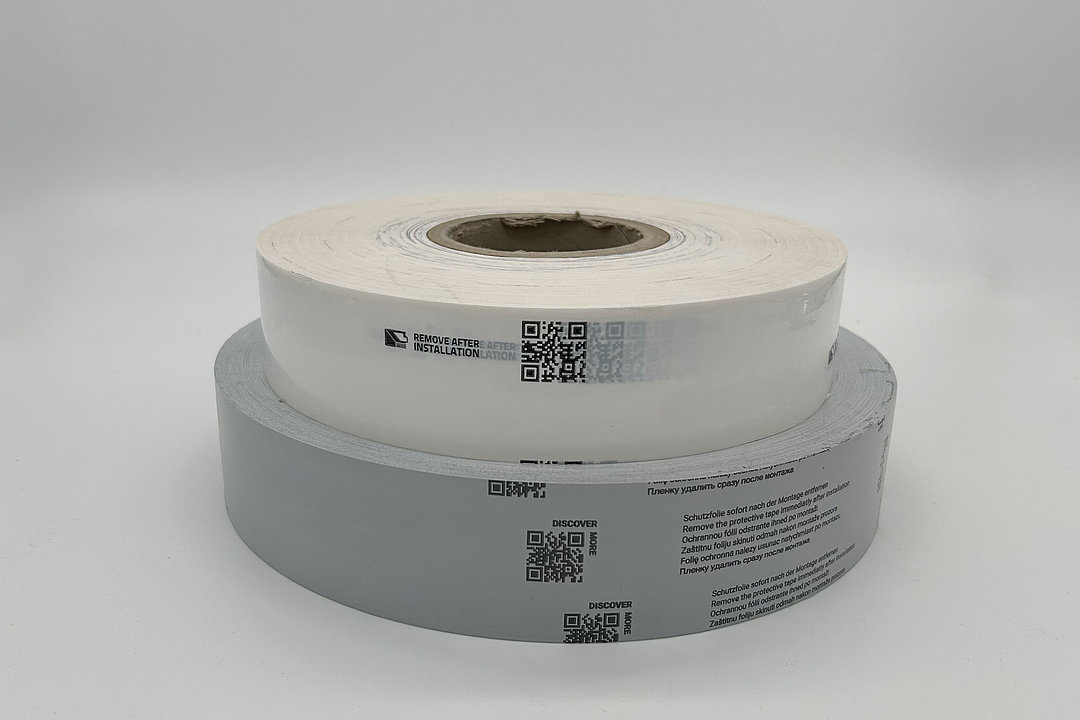
Thanks to digitalization, packaging is increasingly developing into an interactive communications medium. QR codes, RFID chips, or barely visible digital watermarks are acting as links to product information and supporting both traceability and recycling.
Barcodes have been ensuring quick throughput at supermarket checkouts for some time now, but QR codes offer additional options and are increasingly becoming the standard. Depending on the app, the price, ingredients, packaging material, batch number, and much more besides can be called up. Particularly in the food and beverage industry, QR codes enable manufacturers to communicate directly with consumers and thereby strengthen customer ties.
In China, around 50 percent of consumers regularly scan QR codes on packaging, often as part of bonus programs. In Europe, however, this figure is only around seven to eight percent, something that is attributable to cultural differences and less widespread incentive systems.
In addition to product information, QR codes also guide consumers to interactive content such as videos, quizzes, and order options as well as making contacting the customer service easier.
Another technology, which is used primarily in goods management and logistics, is the RFID transponder. It consists of a chip and an antenna and enables optimized processes along the supply chain. For instance, RFID chips applied onto our sleeves can communicate with our customers’ processing machines and, amongst other things, indicate whether the right film is being used for the correct customer project. At the same time, data storage takes place by assigning our film to a specific production batch, thereby giving rise to entirely new possibilities in terms of traceability.
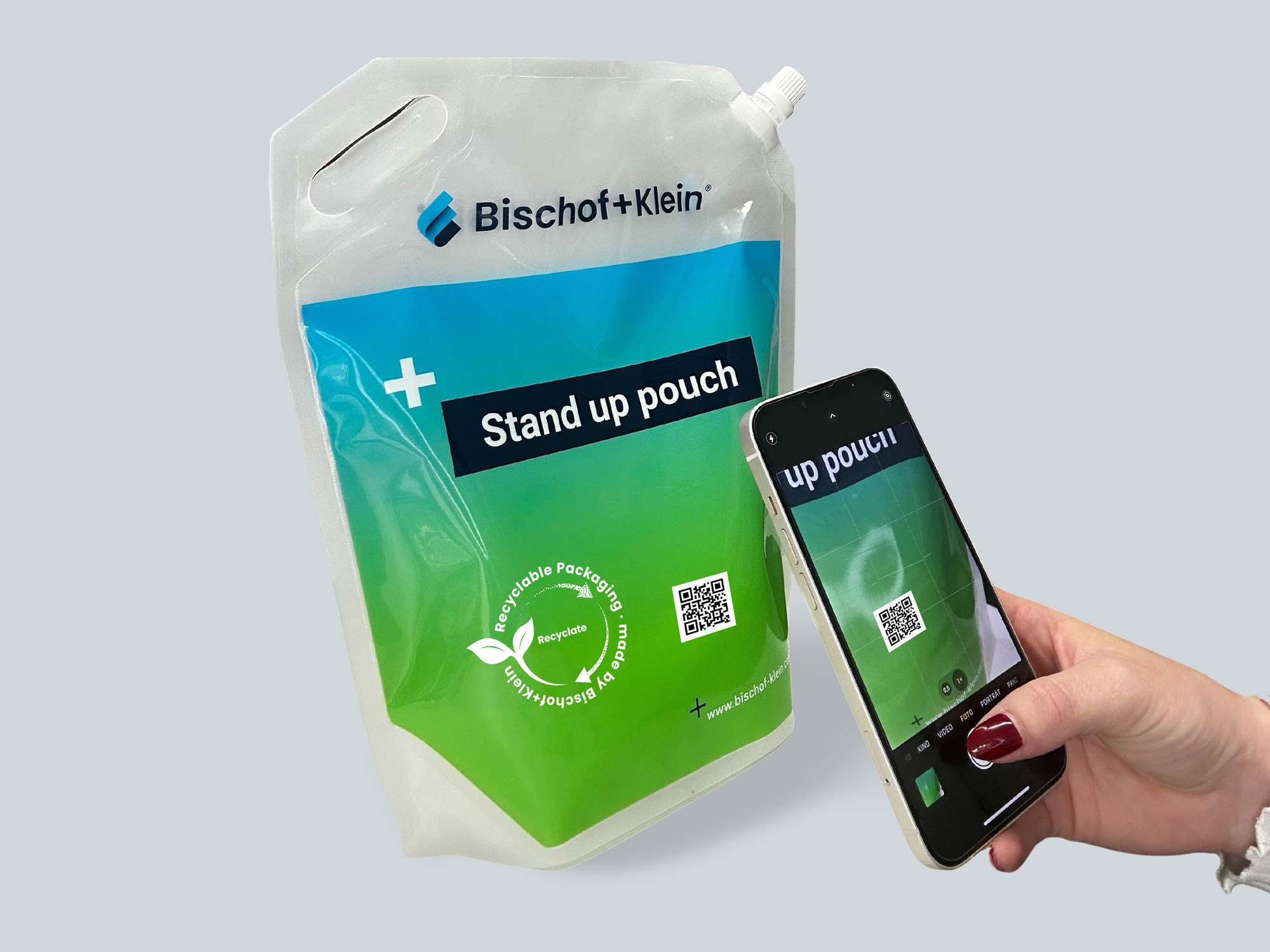
Digital watermarks are barely visible to the naked eye.
It is hoped that technologies such as the “digital watermark,” developed as the result of an Ellen MacArthur Foundation project, will lead to further progress in the area of recycling. It enables plastics to be traced and sorted correctly in waste recycling plants. This even works with damaged packaging, because the information is distributed over large surfaces and special scanners are used to detect it.
The digital product passport (DPP) will play a central role in transparency along the entire value chain in Europe in the future. By 2030, manufacturers of certain products such as chemicals, plastics, and cosmetics must make detailed product and packaging data available in digital form. The EU’s DPP regulation will therefore foster the circular economy and establish extensive transparency with regard to the environmental impacts and the origin of products. Consumers will be able to call up the data using a QR code. In many cases, this code will be located on the packaging.
All of these topics are picking up pace and will remain salient issues in the coming years. There is a great need for creativity in cooperation with customers and concrete initial projects in all three market segments.
Categories
- Foreword (1)
- News (6)
- Title topic (2)
- Innovations from Bischof+Klein (1)
- Packaging trends (1)
- Megatrends (1)
- We at Bischof+Klein (2)
- Our locations – Bischof+Klein Lengerich (8)
- Our locations – Bischof+Klein Konzell (4)
- Our locations – Bischof+Klein France (2)
- Our locations – Bischof+Klein Polska (5)
- Our locations – Bischof+Klein UK (4)
- Last but not least (1)
- article overview