Flexibility and a pioneering spirit
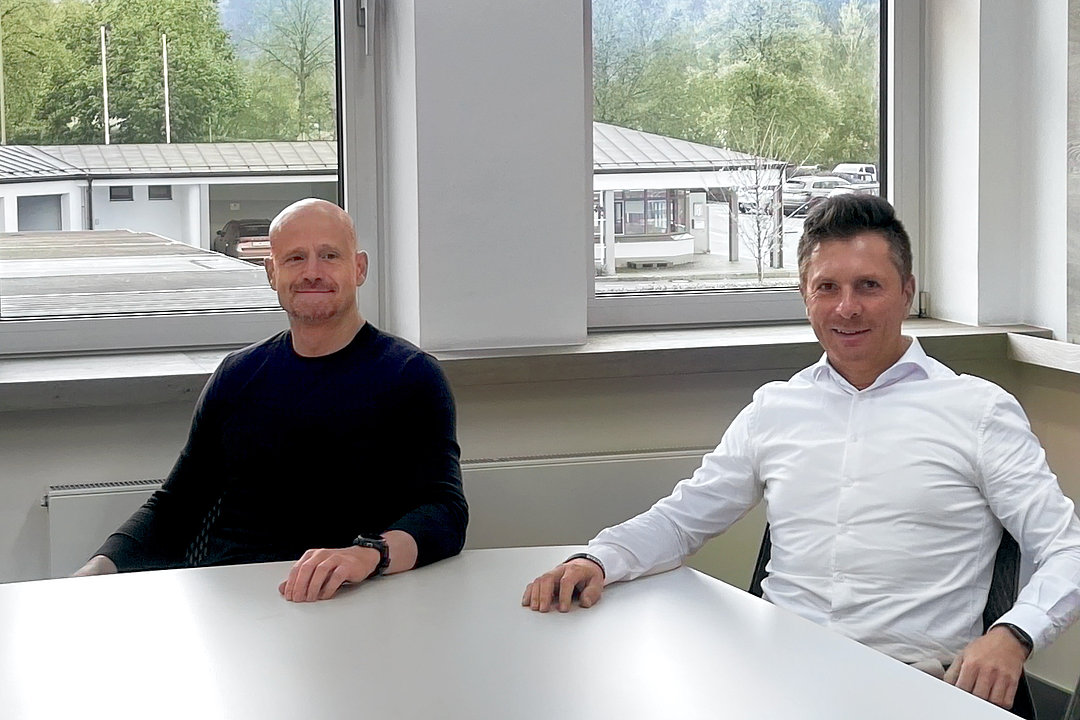
Wald Westerlinck and Armin Kienberger in discussion in Konzell
Bischof+Klein Konzell is playing a central role in terms of efficiency
The differences between COO Wald Westerlinck and plant director Armin Kienberger are initially apparent: one is a newcomer to the company and can look back at a cosmopolitan career spanning 20 positions on five continents. The other started his career 31 years ago as a trainee at Bischof+Klein and has resolutely advanced it. On the occasion of Konzell’s 65th anniversary, we asked them both for an interview.
You have now been working together intensively for one year. What common ground have you discovered?
Armin: I think we share a very good common understanding of values and often come to an agreement quickly.
Wald: Sport plays a big role for both of us. It clears your mind for positive thoughts and new ideas.
What makes Bischof+Klein Konzell unique as a production plant?
Armin: Konzell is a comparatively large plant. We have nevertheless retained our flexibility and pioneering spirit. Paths are short, and decisions are made quickly. That makes us effective and innovative.
Wald: I see a perfect balance between cutting-edge production technology and the efficient use of resources here.
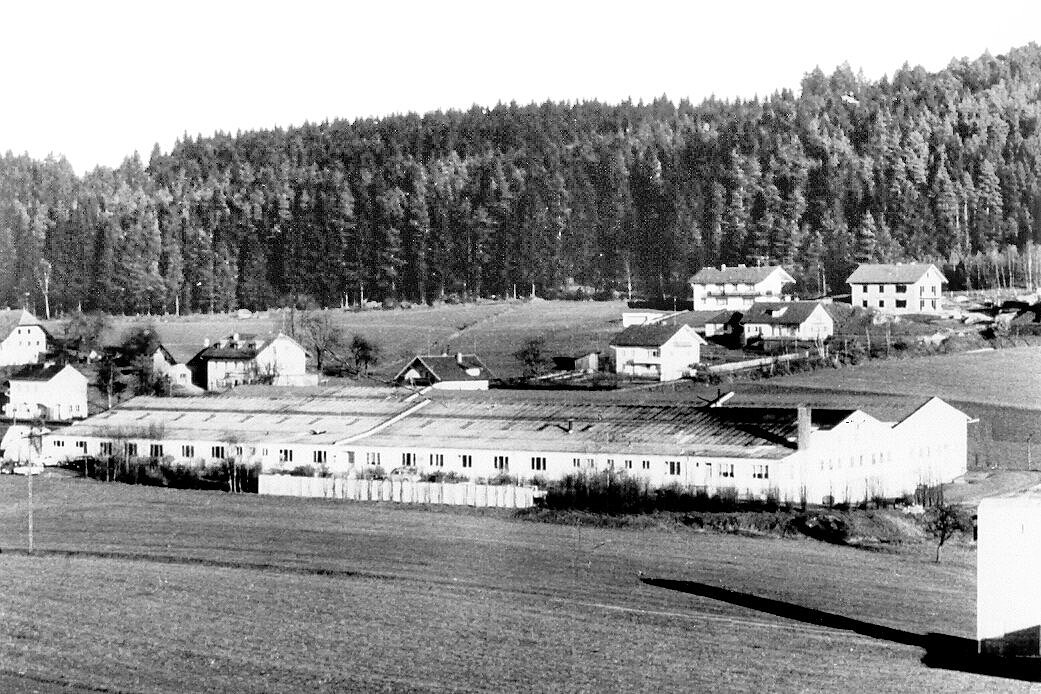
Konzell factory 1971
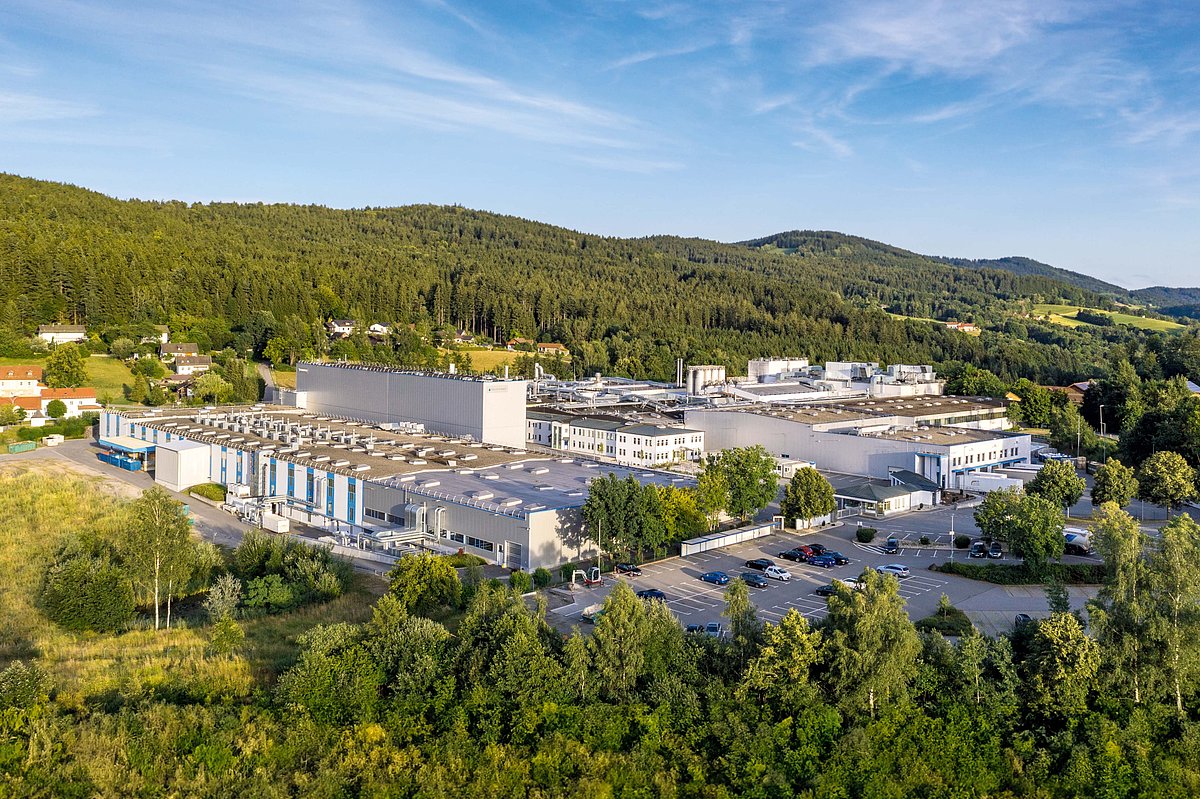
Konzell factory 2024
How would you describe the spirit amongst the employees?
Armin: The spirit can probably be described as typically Lower Bavarian: cautious at first, and preferably don’t promise too much. And then finally pride at being able to deliver more than what was promised. Commitment and a sense of responsibility are very pronounced, although a fair amount of moaning is involved. When it’s important, everyone is fully committed.
Wald: The people here are aware of the transitional phase and can see the big picture: stability and growth over the coming years.
What characterizes the products that are manufactured here?
Wald: The products are the result of decades of know-how and continuous further development. We are able to assert ourselves in the face of market pressure thanks to continuous process improvements and cost optimizations.
What know-how is needed for that?
Wald: The staff in Konzell have an in-depth understanding of the industry and the market requirements. Added to these are technical knowledge, innovativeness, and the close cooperation between all departments.
What role is played by traditions such as christening machines or “mad Thursday”?
Wald: I’ve heard that mad Thursday will be an exciting challenge. I’m looking forward to it. These traditions are important elements of the culture in Konzell. That’s one of the things that I quickly noticed. They offer valuable moments that bring us closer together as a team.
What role does the plant and its 800 employees play in the region?
Armin: Bischof+Klein is the biggest employer in the district of Straubing-Bogen. That naturally characterizes our role in the region. Many of our colleagues have been with us for a long time; in numerous cases, several generations of a family work here. We have a good balance between our own junior staff and experienced employees who bring along knowledge from other companies. This regional focus is very important to us – not just because of the dialect 😉. It is simply easier for us to recruit people from the region and keep them here in the long term.
What role does the plant play in the Bischof+Klein group?
Wald: A central one. The plant is a pioneer in terms of efficiency and flexibility, and contributes extensively to the success of the entire group.
What is important in making Konzell future-proof?
Armin: We all have to pull together to achieve that. We need a clear strategy that focuses on our strengths and which offers our customers crucial added value at the same time. That shouldn’t be defined solely by the price, but also by speed, flexibility, and, above all, sustainability. That topic is also proving to be a challenge for our customers.
Wald: Efficiency and cost reduction measures were important first steps, but now we have to think ahead in order to enable sustainable growth. Close cooperation between all plants will be critical to exploiting synergies even better.
What are the next milestones? Which investments are planned?
Armin: In technological terms, we are already in a very good position and are ready to meet the requirements of sustainability. Our focus is clearly on automation and digitalization. That means becoming more efficient and making production costs less relevant.
The second important driver is the lack of skilled workers. Humans will not be displaced by this transformation; only the division of labor will change. We need to prepare our employees for that.
Wald: We are currently working on a new strategy to get us out of our current stagnation. 2025 will be a transitional year. As soon as we have clear goals, we will undertake specific investments in order to ensure long-term growth.
Thank you for talking to us!
Categories
- Foreword (1)
- News (6)
- Title topic (2)
- Innovations from Bischof+Klein (1)
- Packaging trends (1)
- Megatrends (1)
- We at Bischof+Klein (2)
- Our locations – Bischof+Klein Lengerich (8)
- Our locations – Bischof+Klein Konzell (4)
- Our locations – Bischof+Klein France (2)
- Our locations – Bischof+Klein Polska (5)
- Our locations – Bischof+Klein UK (4)
- Last but not least (1)
- article overview