Looks can be deceptive
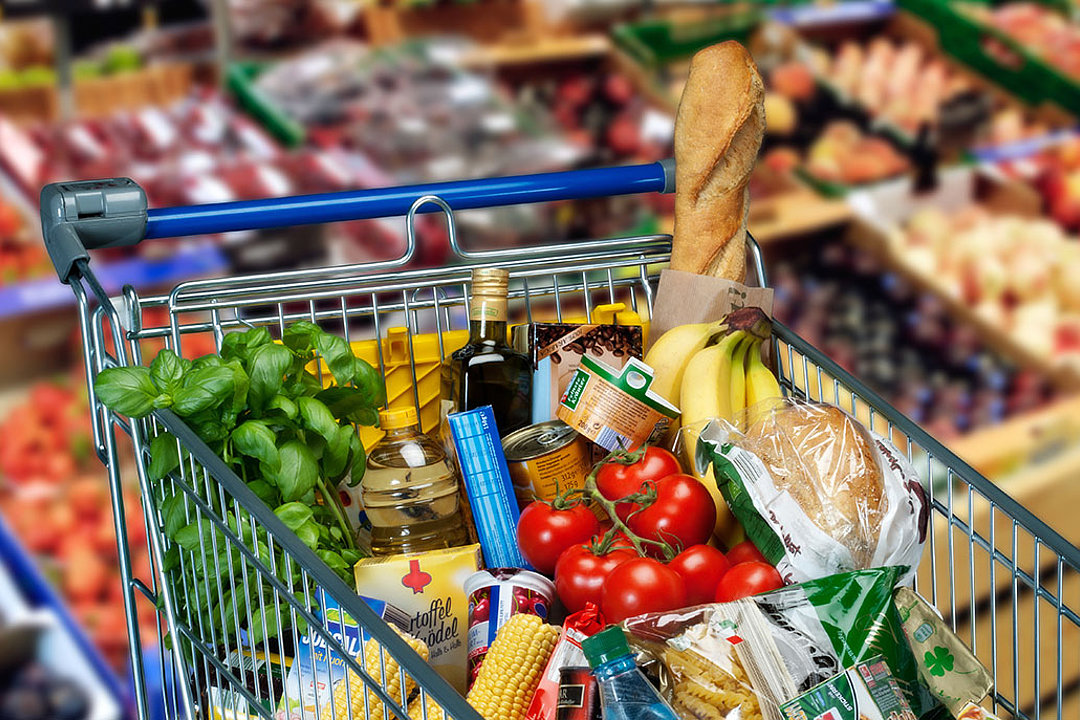
NABU compares various packaging materials
Which packaging is regarded as particularly sustainable? Above all, paper or cardboard (70 percent) and glass (62 percent) are viewed as sustainable according to a study conducted by Statista. In the survey, packaging made of plastic is way down in the ranking at six percent.
However, looks can be deceptive. When a closer look is taken, the apparently sustainable packaging solutions do not necessarily fare any better than product protection made from plastic. This is shown by a study that the ifeu (Institut für Energie- und Umweltforschung Heidelberg (Institute for Energy and Environmental Research, Heidelberg)) was commissioned to undertake by the German Nature And Biodiversity Conservation Union (NABU). It compares the environmental impacts of various packaging alternatives for certain foods that are often found in supermarkets. Paper turns out to not always be advantageous.
Often, much more water and energy are consumed during the production of paper packaging than in the production of plastic packaging. Added to this is the fact that paper packaging for food often requires an additional barrier layer. Unfortunately, it is often not immediately apparent whether paper or a coated laminate is involved. Coated paper should not be disposed of via the waste paper bin and cannot be recycled.
Plastic is more airtight and leak-proof, and protects food more effectively against spoiling than packaging made of paper. Packaging made from what is called mono PE can be recycled directly via the plastic recycling bin and processed to produce new plastic granules.
According to the study, the current focus on the avoidance of plastic falls too short in ecological terms “because the environmental impacts of other materials such as glass and metals are significantly higher in terms of production, transport, and disposal or recycling.”
According to NABU, it is ultimately impossible to say that a specific material is best for all types of packaging. Each product makes different requirements on the packaging.
The study fact sheet can be found here: https://www.nabu.de/imperia/md/content/nabude/konsumressourcenmuell/211025-nabu-factsheet_verpackungsvergleiche.pdf
Categories
- Foreword (1)
- News (3)
- Title topic (4)
- Innovations from Bischof+Klein (3)
- Packaging trends (1)
- Megatrends (1)
- We at Bischof+Klein (2)
- Our locations – Bischof+Klein Lengerich (6)
- Our locations – Bischof+Klein Konzell (6)
- Our locations – Bischof+Klein France (2)
- Our locations – Bischof+Klein Polska (9)
- Our locations – Bischof+Klein UK (4)
- Last but not least (1)
- article overview